







Search Results for: Pouring Method
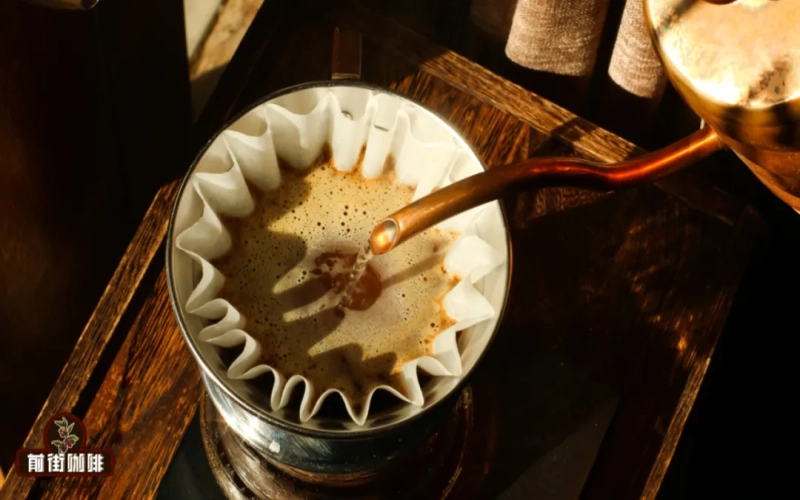
Why Does Pour-Over Coffee Favor Staged Pouring? Analyzing the Extraction Efficiency and Controllability Differences Between the One-Pour Method and the Three-Stage Method
In the world of pour-over coffee, the choice of pouring method often determines the final flavor direction. Although brewing techniques emerge endlessly, multi-pour pouring has always remained mainstream—whether in professional competitions, café offerings, or enthusiasts' daily practice, its presence can be seen everywhere. Many friends who are just getting into pour-over ask Front Street Coffee: why do we always have to divide the water into several pours? Behind this actually involves two key factors: the improvement of extraction efficiency and the controllability of the brewing process. This article will unfold around the differences between single-pour and three-stage pouring and other staged pouring methods, analyzing the advantages of multi-pour pouring from the perspectives of extraction time and concentration differences, while also answering why immersion extraction has a higher fault tolerance rate, helping everyone understand the essence of the pouring logic in pour-over coffee. [more…]
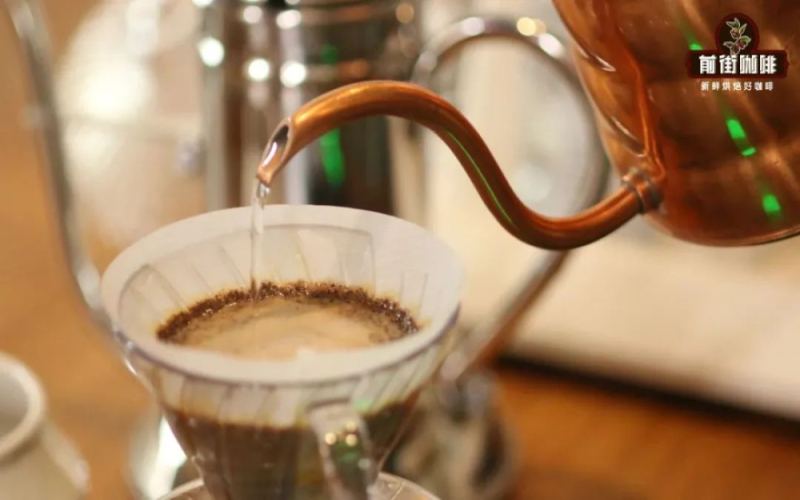
Analysis of the Differences Between One-Pour and Three-Pour Hand Brewing: How Pouring Technique Affects Coffee Flavor and Extraction
There are many ways to pour water when making pour-over coffee, and among them the one-pour method and the three-stage method are two common yet strikingly different techniques. The one-pour method originates from Japanese swordsmanship; it looks simple to perform, but places extremely high demands on water-flow control. The three-stage method, by contrast, extends the extraction time through staged pouring, enhancing the layers of flavor. This article uses a comparative experiment at Front Street Coffee, using the same washed Yirgacheffe beans, brewed with the one-pour method and the three-stage method respectively, to analyze the differences between the two in the shape of the coffee bed, flavor performance, and extraction time, and to explore why the three-stage method is more favored by baristas. Whether you are a beginner or an advanced player, understanding the core points of these techniques can help you flexibly choose according to the beans and parameters, and brew a more satisfying cup of coffee. [more…]
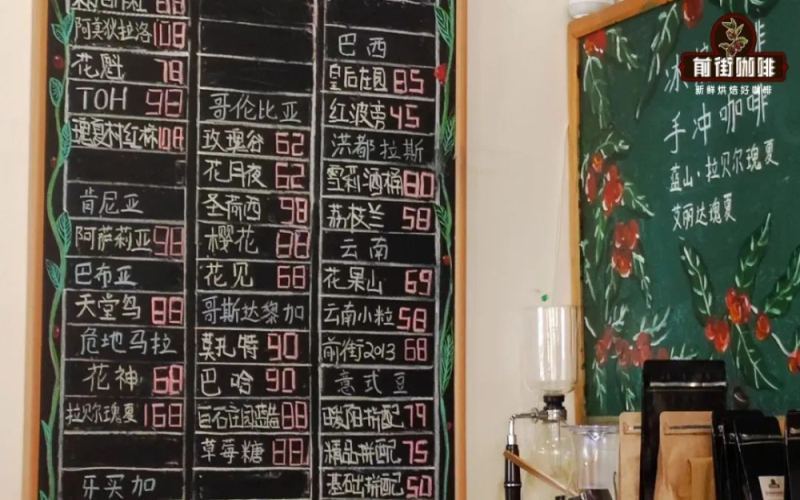
A Detailed Guide to the Three-Pour Pour-Over Method: What Coffee Beans Is It Suitable For?
Pour-over coffee pouring methods have always been a hot topic among enthusiasts. Front Street stores have long used the three-stage pouring method. Although this method is not the one that best highlights the character of a particular bean, it is the most widely applicable and easiest to learn. A single Front Street store offers more than fifty kinds of coffee beans. If a brewing plan were tailored to each one, at least seven or eight different pouring techniques would be needed, so a method compatible with most beans is especially important. The three-stage method can achieve a balance of flavor and mouthfeel across light, medium, and dark roasts, and is particularly friendly to beginners. This article will introduce in detail the three-stage pouring distribution, key operating points, suitable bean types, and parameter adjustment suggestions. [more…]
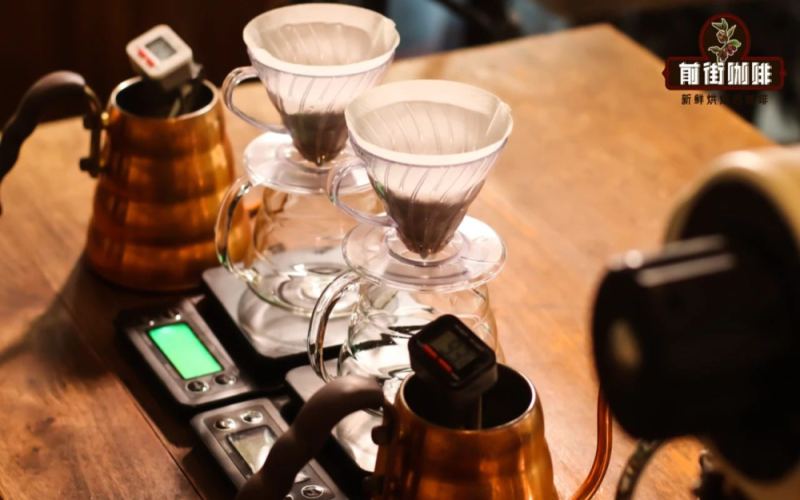
Pour-Over Coffee Techniques Explained | What Is the One-Pour Method? How Does It Differ from the Three-Stage Pour? Which Brews a Better Black Coffee?
For more specialty coffee knowledge, please follow: Front Street Coffee (Frontsteet Coffee). One of the great joys of pour-over coffee is using different brewing techniques to interpret a cup of coffee. And as for pour-over methods, I believe everyone pays close attention. So the most widely spread pour-over technique at present is the one-pour method. [more…]
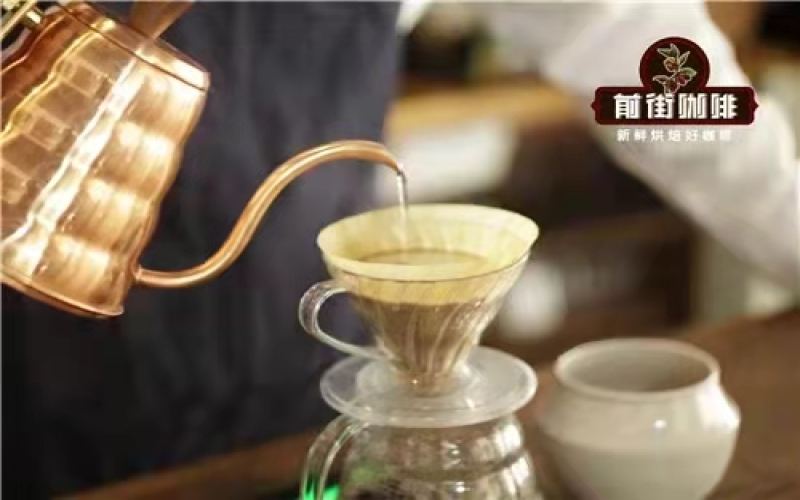
A Complete Analysis of One-Pour Hand-Drip Coffee: Operational Key Points from Blooming to Pouring and Differences Compared with the Three-Pour Method
The one-pour method is the seemingly simplest yet, in reality, most understanding-demanding brewing approach in pour-over coffee. It doesn't require complex staged pouring—just a single pour of the remaining water after blooming. But truly brewing a good cup of one-pour coffee tests not the technique itself, but a systematic command of coffee bean information and brewing parameters. This article will dissect the essence of this brewing method from the angles of the basic principles of the one-pour method, the scientific basis of extraction, the actual differences from multi-stage pouring, and how to judge blooming time, helping you understand why simple doesn't mean easy. [more…]
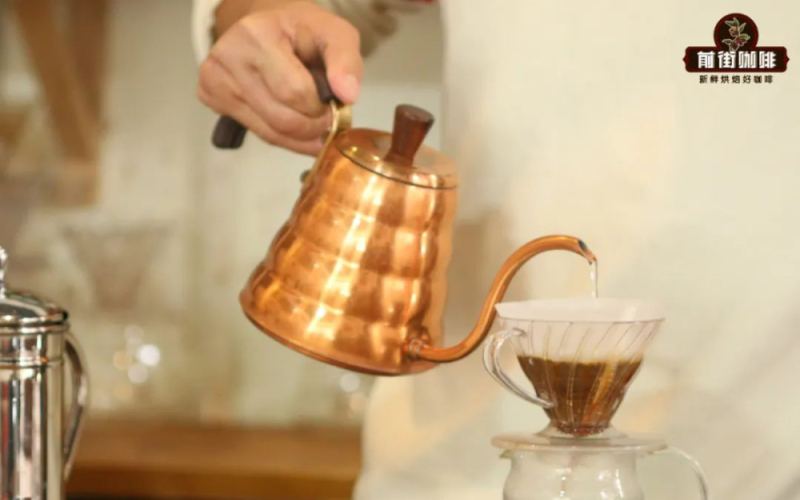
How to Master the Timing of Pulsed Pouring in Pour-Over Coffee? A Detailed Guide to the Water Volume and Time Nodes of the Three-Pour Method
Segmented pouring is a common yet difficult-to-master method in pour-over coffee, with the challenge lying in judging when to stop pouring and when to pour again. This article uses Front Street Coffee's three-stage brewing as an example to explain in detail the techniques for judging pouring checkpoints. The article points out that you should not wait for the water to finish flowing before pouring again; subsequent pours should bring the coffee bed height to exactly the same level as the previous stage to ensure even extraction. Using 15g of coffee grounds as an example, the first stage is blooming, pouring 30ml of water and waiting 30 seconds; the second stage pours water to 1/2 of the short rib, with a reference water amount of 120ml, taking about 55 seconds to 1 minute; the third stage involves observing the water level dropping, and when it falls to 1/2 between the coffee bed and the filter wall, pour 90ml, with a reference time of 1 minute 10 seconds to 1 minute 15 seconds; pouring ends at about 1 minute 30 seconds to 1 minute 35 seconds, and the coffee liquid finishes flowing at about 2 minutes to 2 minutes 10 seconds. The logic for four-stage pouring is the same. [more…]
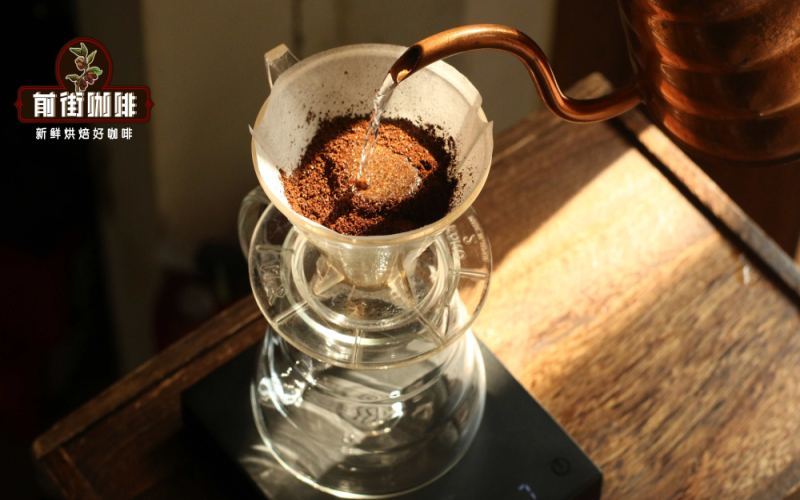
Center Pour vs. Spiral Pour in Pour-Over: Analysis of Extraction Efficiency, Flavor Differences, and a Combined Three-Pour Approach
The pouring method in pour-over coffee has a significant impact on the extraction result. Through comparative experiments, Front Street Coffee found that under low-flow conditions, center-pour single-pour extraction actually achieved a higher extraction yield than spiral pouring, due to two factors: heat retention and the contact area of the coffee bed; however, in terms of flavor performance, center pouring showed a concentrated, imbalanced character with bitterness. When switching to a three-stage pour, spiral pouring then surpassed center pouring. Based on these findings, a three-pour approach combining spiral and center pouring became a practical choice that balances even extraction with flavor cleanliness. This article presents the complete experimental data and principle analysis to help coffee enthusiasts understand the suitable scenarios for different pouring strategies. [more…]

How Much Coffee for a Single Serving of Pour-Over? The Golden Cup Extraction Principle and Techniques for Japanese-Style Drip Pouring and Stirring-Bloom Method
When brewing a pour-over coffee at home, how much coffee powder should you use? Starting from the SCA Golden Cup extraction standard, this article sorts out the practical logic of a 1:15 coffee-to-water ratio, explains the reasoning behind 15 grams of coffee powder and 225 grams of brewed coffee for a single serving, and analyzes the effects of water temperature, grind size, and pouring technique on flavor. Taking staged extraction as the main thread, the article details the rhythm control and operational details of blooming and degassing, three-stage pouring, and also compares the applicable scenarios, pros, and cons of the stirring bloom method, the Japanese drip pouring method, the single-pour method, and the volcano surge method, providing coffee enthusiasts with a clear, reusable brewing reference. [more…]
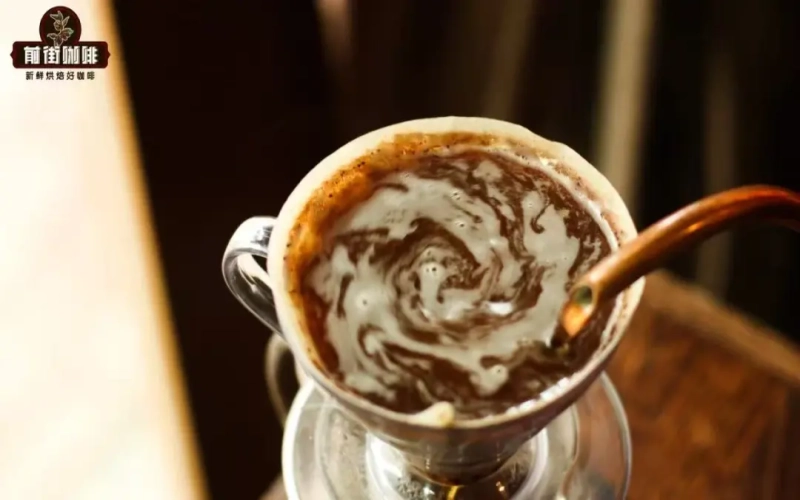
How to brew pour-over coffee with the one-pour tornado method? A detailed guide to pouring technique, grind size, water temperature, ratio, and staged pouring key points
The one-pour tornado is a pouring method in pour-over coffee that combines visual appeal with difficulty. It requires injecting a large amount of hot water in a short time, using a strong pushing force to form a high-speed rotating funnel-shaped vortex in the dripper. Based on Front Street's practical experience, this article systematically explains the two major difficulties of this brewing method, the approach to parameter adjustment, and the complete steps: including grinding about twice as fine, increasing the water temperature by 3 to 5°C, maintaining a coffee-to-water ratio of 1:15, and the specific technique of completing the pour in two stages after blooming. It also explains the choice between V60 and Kono drippers, and shares the flavor performance of Front Street Finca La Divisoria · Sidra under the one-pour tornado brewing method, for coffee enthusiasts to try at home. [more…]
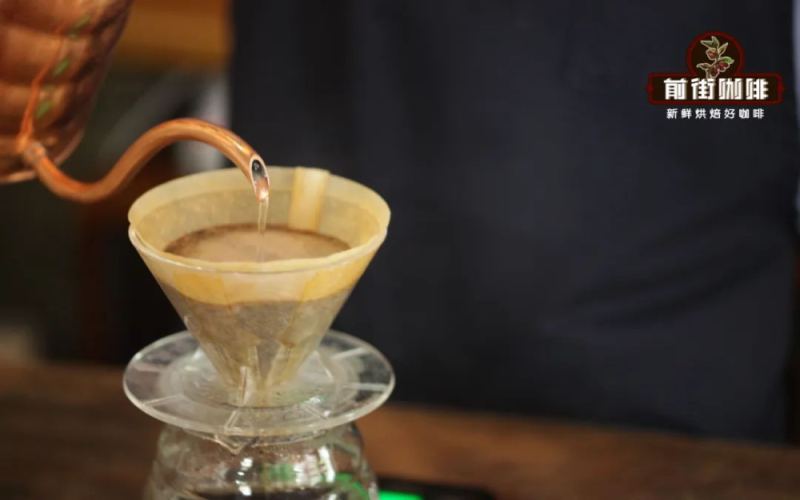
Analysis of the Differences Between Pulsed Pour-Over and One-Pour Method in Hand-Brewed Coffee: Extraction Time, Flushing Efficiency, and Suitable Bean Types
In pour-over coffee, the pouring method after blooming directly affects the final flavor. Is it the "one-pour" method, where all the water is poured at once, or is it divided into two or more stages? These two approaches differ significantly in extraction time, flushing efficiency, and controllability. Staged pouring extends the extraction window, making the release rhythm of sweet, sour, and bitter compounds more controllable, thereby enhancing the coffee's complexity. But more stages isn't necessarily better; in everyday brewing, two to three stages are most common, as they allow flexible adjustment and make it easier to hit the ideal extraction time. This article will compare in detail the differences between the one-pour method and staged pouring, and explain what kind of coffee beans are better suited to staged extraction. [more…]
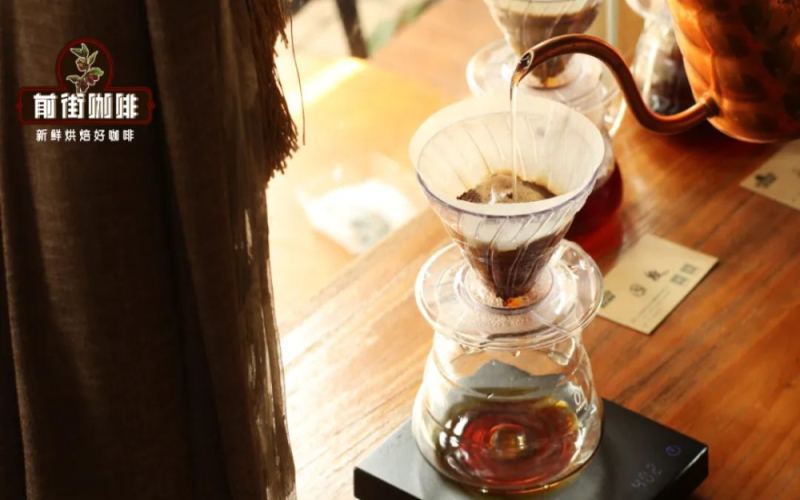
How Many Pours Can You Really Split Into for Pour-Over Coffee? A Full Breakdown of the Three-Pour Method's Key Steps and Timing Control
The pouring method in pour-over coffee directly influences the final flavor profile, and staged pouring is a core technique that the vast majority of coffee enthusiasts will encounter. After blooming, should you pour all the water in one go or pause midway? What is the most reasonable number of stages? And how do different numbers of stages change the mouthfeel, aroma, and layers of the coffee? Drawing on Front Street's actual brewing experience, this article systematically sorts out the definition and working mechanism of staged pouring, and through three sets of comparative experiments reveals the relationship between the number of stages and extraction efficiency and flavor performance, while also offering the most beginner-friendly operational advice to help you more consistently bring out the best in a bean in your daily brewing. [more…]
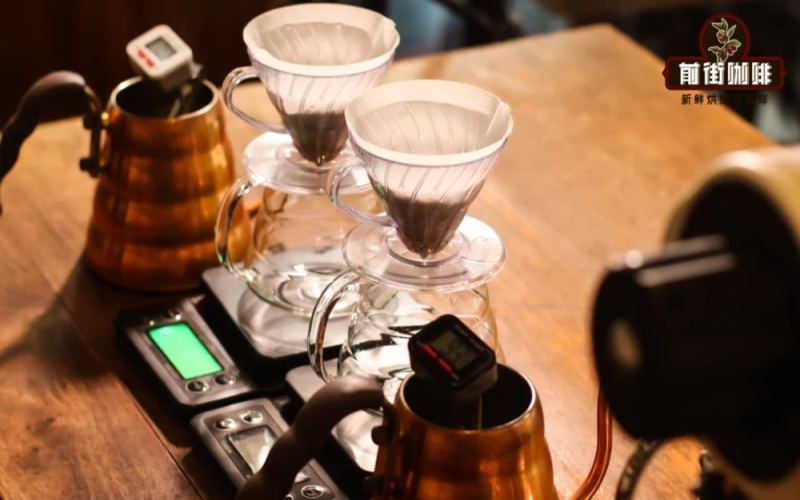
Pour-Over Coffee: One-Pour vs. Three-Pour Comparison — A Comprehensive Analysis of Steps, Ratios, and Brewing Methods
One of the charms of pour-over coffee lies in using different pouring techniques to bring out the diverse flavors of the same bean. Currently, the two most widely used methods—single-pour and three-stage—each have their own followers. Single-pour involves completing the target water volume in one go after blooming; it is simple to operate but extremely demanding on water flow stability and grind size. The three-stage method divides pouring into three phases, enhancing layering and compatibility through staged extraction. Using 15 grams of coffee and a 1:15 coffee-to-water ratio as an example, this article breaks down in detail the specific steps, pouring timing, and parameter requirements of both methods, and combines the brewing performance of Front Street Coffee Huakui and Colombia Huila Washed Caturra to help you find a brewing rhythm that suits you. [more…]
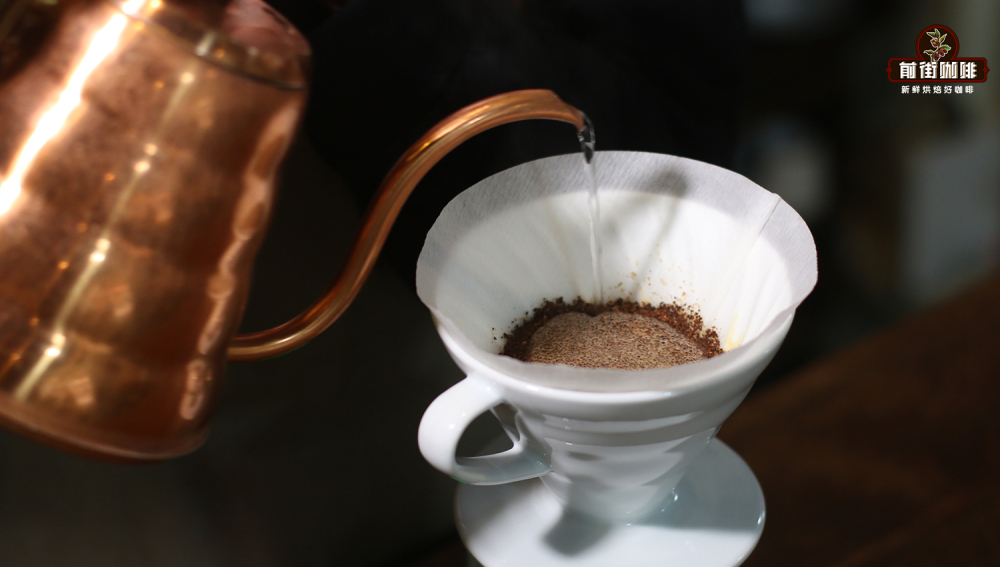
Single-Serve Pour-Over Coffee Method | What Is Gold Cup Extraction Yield? Which Brewing Technique Suits Coffee Beginners? Pros and Cons of the Drip Method, Volcano Pour, and One-Pour Technique
Front Street Coffee encounters customers asking about pour-over coffee every day, whether it's about what pouring technique should be used for pour-over coffee, or how much coffee grounds to use for pour-over coffee. In fact, with the development of coffee culture, more and more people no longer think of coffee as [more…]
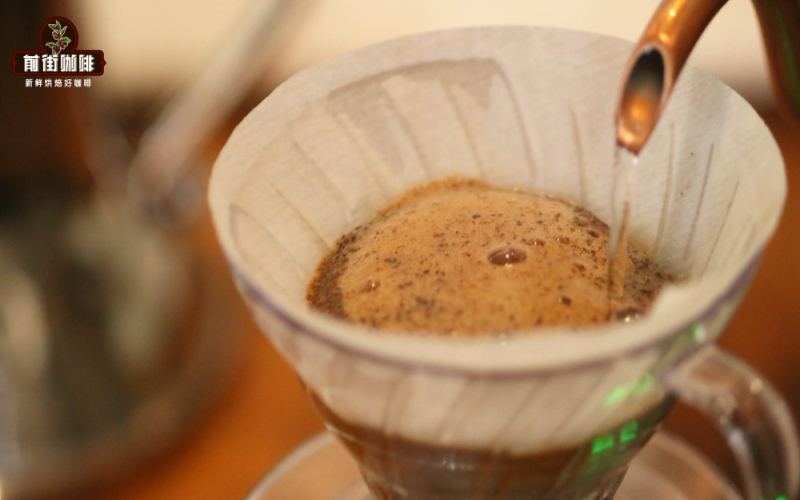
Complete Tutorial on Three-Pour Pour-Over Coffee: Ratio Distribution, Water Temperature Control, and Extraction Rhythm Analysis
Among the many techniques of pour-over coffee, the pouring method has always been the core topic that enthusiasts are most eager to discuss. Different pouring strategies directly affect the flavor layers and mouthfeel that the coffee ultimately presents. For beginners who are just getting into pour-over, Front Street usually recommends a three-stage pouring plan known as the "universal pour-over method." This article will use 15 grams of grounds and a 1:15 coffee-to-water ratio as an example to break down in detail the proportion distribution of the three-stage pour, deeply analyze the operational essentials of each pouring stage and the extraction logic behind it, and also share practical experience with staged water temperature control, helping you stably brew clean, bright, and richly layered good coffee at home. [more…]
A Detailed Guide to Five Classic Pour-Over Coffee Techniques: Volcano Pour, Matsuya Method, Stirring Method, and More — Steps, Pros, and Cons
Pour-over coffee may seem simple, but in fact it hides many intricacies. For those just starting out, mastering different pouring techniques can bring out completely different flavor expressions from the same bean. This article will break down five commonly used pour-over methods one by one—the volcano pour and Matsuya method from Japan, the stirring method that became popular in Europe and the United States after winning the WBC, the delicate and refined drip method, and the academy-style brewing method with excellent stability. Each method will be fully explained from operational key points, applicable scenarios, to advantages and disadvantages, helping coffee lovers find the most suitable brewing method according to their own needs and the characteristics of the beans. Whether you are pursuing a rich mouthfeel or a bright sweetness, you can gain practical reference from it. [more…]
The Beginner's Must-Learn One-Pour Center-Pour Method: Yirgacheffe Red Honey Process V60 Brewing Parameters and Flavor Analysis
Pour-over coffee may seem complicated, but there is actually a low-effort yet stable extraction method—the single-pour center pour. It doesn't require segmented circling; simply keep pouring continuously after the bloom, making it especially suitable for those new to pour-over. This article uses the Yirgacheffe Red Honey Red Cherry recommended by Front Street Coffee as an example, first introducing the classification of honey processing and the proportion of pectin retained, then using the Hario V60 dripper to conduct a comparative brewing of two different grind sizes: a coarse grind BG-7K paired with a longer pouring time, and a fine grind BG-6M paired with a shorter pouring time, to experience the flavor differences under the same coffee-to-water ratio and water temperature. The article also explains in detail how the V60's rib structure affects flow rate, and why pouring stability is far more important than fancy techniques. [more…]
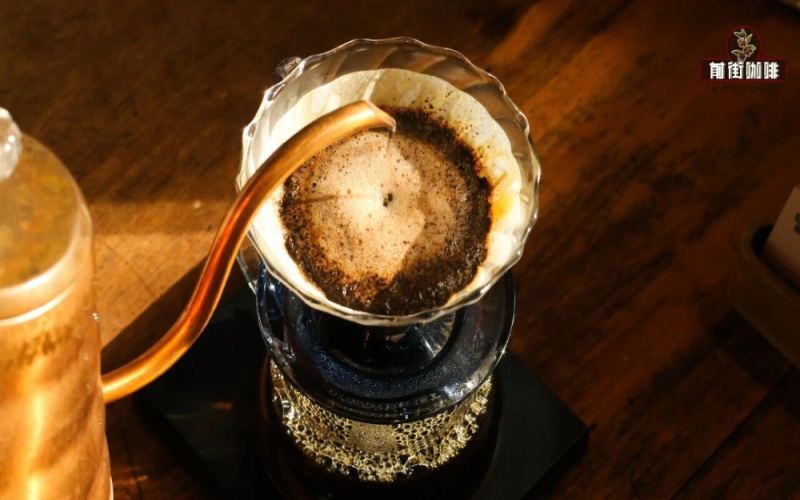
A Detailed Guide to the One-Pour Hand-Drip Coffee Method: Tetsu Kasuya's Simplified Pouring Technique and Front Street Coffee's Practical Parameters
Pour-over coffee techniques often intimidate beginners, requiring repeated practice to achieve consistent results. This article introduces a brewing method called "one-pour," publicly presented in 2019 by Tetsu Kasuya, the 2016 World Brewers Cup champion. Its core idea is to skip the bloom phase, pouring all the target water in a single large stream within 15 seconds, then letting the dripper complete the process through natural filtration. This method demands very little pouring skill and has low equipment requirements, yet yields coffee with lively flavors and rich fruity notes. Front Street will share improved parameters and flavor performance based on actual testing with the Hario Infinity dripper, making it a useful reference for coffee enthusiasts who want an easy introduction to pour-over brewing. [more…]
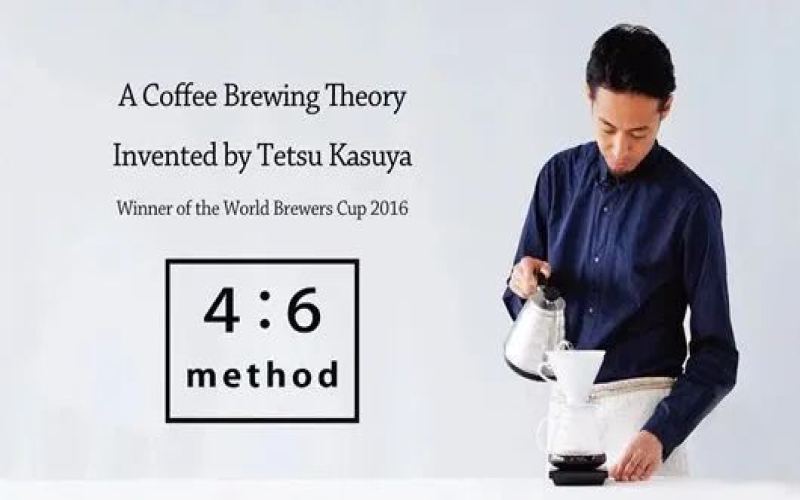
Complete Parameter Analysis of the 4:6 Method for Pour-Over Coffee: Grind Size, Staged Pouring Time, and the Principles of Acidity, Sweetness, and Body Control
The 4:6 method was created by Tetsu Kasuya, and its core idea is to let anyone brew a consistently good cup of coffee. It splits a single pour into five stages: the first 40% of the water governs the flavor direction, while the latter 60% determines the strength of the body. Combined with an extra-coarse grind and fixed intervals, it greatly lowers the barrier to water control. This article lays out the standard parameters of the 4:6 method in full, including dripper choice, coffee-to-water ratio, grind passing rate, water temperature, and pouring rhythm. It also takes a deep look at the logic behind the coarse grind and the 45-second intervals, explains how adjusting the ratio of the early and late stages changes the sweet-and-sour profile, and shows how increasing or decreasing the number of stages lets you control body, helping you apply this method flexibly. [more…]
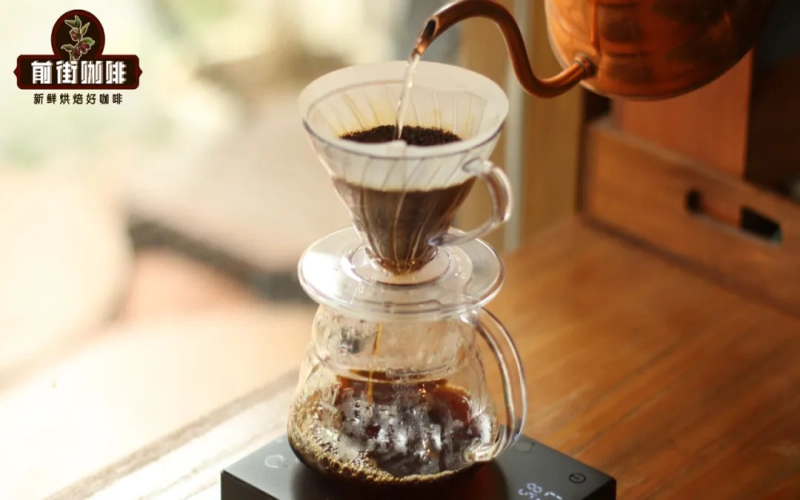
Pour-Over Coffee Water Pouring Techniques Explained: How to Avoid Common Mistakes and Reduce Bypass Water Effects
In the process of pour-over coffee, the pouring method is often overlooked, yet its impact on the final flavor is no less significant than parameter settings. When many coffee enthusiasts encounter unsatisfactory extraction, the first thing they suspect is the coffee-to-water ratio or water temperature, while neglecting the force and path of the water stream itself. In reality, the height, amplitude, and landing point of the pour all directly change the stirring efficiency and extraction uniformity of the coffee grounds. This article, from the perspective of Front Street, will sort out three common pouring mistakes—high-low fluctuation, pouring from too high, and pouring to the edge of the filter paper—and explain why they lead to extraction deviations, while offering practical tips to reduce bypass water and improve extraction quality, helping you brew a good cup of coffee more consistently. [more…]
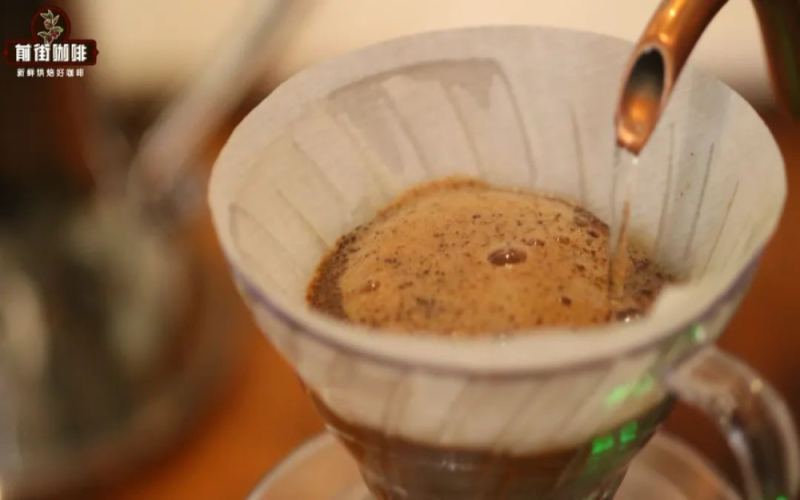
Pour-Over Coffee Fast Circular Water-Slinging Pouring Method: A Full Analysis of Its Advantages, Hidden Risks, and Suitable Bean Types
In the pouring techniques of hand-brewed coffee, the fast circular swirl pour is a controversial yet frequently seen aggressive method in competitions. It uses centrifugal force to fling the water outward, accelerating the tumbling of the coffee bed, thereby improving extraction efficiency and even helping to form a coffee wall that locks in flavor. However, this technique demands extremely high control from the operator; a slight mistake can lead to uneven extraction of the coffee bed and imbalanced flavor. Front Street Coffee will objectively analyze the pros and cons of the swirl pour in this article, and, in conjunction with coffee bean quality, roast level, and the differences between competition beans and everyday beans, explain why beginners are not advised to blindly imitate it. The article will also point out that the pouring technique is only one part of the brewing parameters and must be coordinated with grind size, water temperature, and other factors to be effective. [more…]